Affordable Living Redefined: The Advantages of Shipping Container Homes

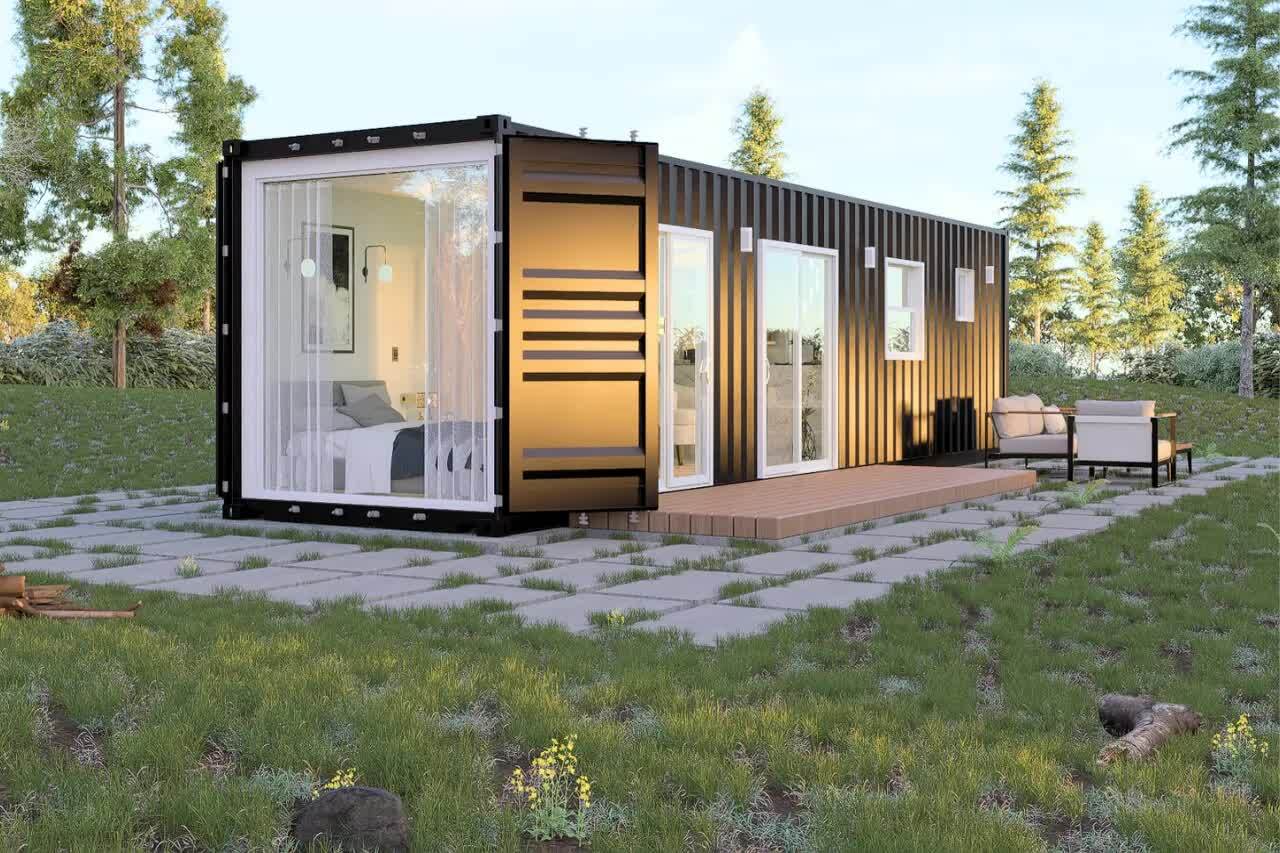
A shipping container home
is a structure built from steel shipping containers, which are huge, reusable
intermodal containers used to transport products. These containers can be used
as independent homes or personal offices, or they can be combined to form a
multilevel residence. Shipping container homes are becoming increasingly
popular as potential homeowners look for alternatives to the standard
multi-bedroom house.
What Are the Advantages of
Shipping Container Homes?
Shipping container dwellings are
robust, affordable, and customisable:
They can be more affordable than
standard dwellings. They are often less expensive than traditional homes since
they require fewer building materials and labour to construct. Customising your
container housing can be less expensive if you renovate it yourself.
They're quick to build. Some
contractors can complete a shipping container home in under a month. However,
hiring a professional to construct your container dream home might be costly.
To completely avoid high construction costs, you can buy a prefabricated
container home from one of a growing number of businesses that specialise in
creating prefab homes off-site.
These are prefabricated
dwellings. The Modular Container House is simple to adapt. You can even
join many containers to form a larger home with a living room, dining room,
more bedrooms, a second floor, or even a container guesthouse.
They're sturdy. Corten steel is
commonly used in the manufacture of shipping containers. This self-healing
steel protects cargo while being transported across bodies of water. Shipping
container dwellings composed of weathering steel are anticipated to outperform
typical housing in terms of weather resistance.
How to Prepare for Your
Shipping Container Home
Design with natural lighting in mind. Steel cargo containers do not get natural light. When developing your floor plan, consider including glass doors or skylights to make your interior area appear bright and open. If the area is too small, consider getting a high-cube container, which is slightly taller than a standard shipping container.
Before making a purchase, inspect your container. As with any large-ticket purchase, you should see your Container House in person before purchasing it. Look for dents in the siding, rust on the outside, and leaks, which can be costly to repair during construction.


Comments
Post a Comment